

In the swiftly changing landscape of the digital age, business directories have experienced a significant transformation. Once primarily physical books filled with business listings, directories now flourish on the internet, offering consumers and businesses a treasure of information at their disposal. The transition to digital has not only transformed how we find businesses but has also improved the ease and productivity with which entities manage their footprint in the marketplace.
In Florida, the value of business directories is evident through the extensive services provided by the Florida Secretary of State. From the accessibility of the business entity search to comprehensive lookup tools for corporations, the state offers a strong framework for individuals and companies alike. With fl sos search as the business search Florida Secretary of State, entrepreneurs can easily navigate the registration process, guaranteeing compliance and visibility in a tight environment. As we investigate the evolution of business directories, it is essential to acknowledge the impact of state support that allow businesses to thrive in an constantly changing digital world.
History of Commercial Directories
Business listings have a long past, dating back to the initial days of trade when vendors needed a reliable way to link up with customers and other companies. The initial directories were simple published catalogs, often organized by category or trade, that acted as important resources for people seeking goods or services. These initial directories were essential before the time period of phones and the web, allowing companies to promote themselves in a time when visibility was limited to physical sites.
As the industrial era took hold, the need for structured business listings grew. Regional and regional collections began to appear, with companies paying to be included and advertised. These catalogs became increasingly detailed, providing not only names and addresses but also extra information such as offerings available, business hours, and sometimes even consumer feedback. The introduction of pagination and organizing in publishing allowed users to navigate these directories more smoothly, ultimately helping shoppers make better-informed decisions.
With the growth of the internet in the final 20th century, traditional business listings underwent a significant change. Online systems developed, allowing for instant access to searchable databases of businesses. Web-based listings, like those operated by browser engines, began to dominate, offering users the ability to search by multiple factors. This development paved the way for region-specific catalogs, such as those maintained by the California Secretary of State, which provide necessary resources for commercial inquiries, registrations, and catalogs in a digital medium. The shift to digital has not only enhanced accessibility but has also changed how businesses interact with prospective customers.
A Role of the Florida Secretary of State
The Florida Secretary of the State plays a crucial role in maintaining the validity of commercial operations within the region. A of its primary functions is supervising the enrollment and regulation of various business entities, guaranteeing adherence with local laws. This includes managing the commercial entity lookup, which allows people and organizations to verify the standing and validity of a company. The efficient functioning of this office is crucial for fostering a trustworthy business environment, enhancing public confidence in recognized entities.
Additionally significant aspect of the Secretary of State’s responsibilities is the provision of resources for commercial lookup and search. Residents can easily access the state's business search, allowing them to perform a business search through the authorized government website. This feature not only supports openness but also assists entrepreneurs in making knowledgeable choices about possible partnerships and market analysis. By providing services such as the Florida business entity search and business license search, the Secretary of State guarantees that essential information is readily available to the public.
Furthermore, the Secretary of State's office is instrumental in facilitating the enrollment of outside businesses seeking to operate in Florida. This includes external LLC registration, empowering out-of-region companies to create a presence in the state. The department also handles the business registration process for new ventures, including the required documentation and regulatory verification. By streamlining these processes and offering tools for commercial searches, the state's Secretary of State significantly enhances the environment for business ventures and economic growth in the state.
Digital Transformation of Business Search
The digital age has profoundly transformed the way business directories operate, making information more available than ever before. In the past, looking up a company often required browsing printed directories or reaching out to various state agencies. Now, with the advent of web-based solutions, individuals and entrepreneurs can easily perform a company search through the Florida Secretary of State's website. This streamlined access to data has revolutionized the process of conducting a business search in Florida, saving time and efforts.
The Florida Secretary of State has adopted digital tools to improve the effectiveness of its services. Users can conduct a comprehensive business entity search, whether for limited liability companies, incorporated entities, or authorized representatives, with just a few simple steps. The simplicity of access to the Florida business search functionalities allows users to obtain vital information, such as business licenses, entity names, and registration status, without the need for in-person consultations or prolonged phone calls. This change not only improves user experience but also encourages compliance and transparency in the commercial landscape.
Moreover, the transition to a digital-centric approach has led to better tracking and management of companies within the state. The Florida Department of State regularly updates its online systems to provide real-time data, enabling effective monitoring of registered businesses. As more individuals and businesses utilize online resources, the role of physical listings diminishes, creating a more effective and user-friendly commercial environment in Florida. This digital transformation ultimately supports economic growth by making easier access to business-related information.
Exploring the State of Florida's Entity Search Resources
Florida offers a collection of tools for entrepreneurs to conduct entity searches efficiently. The Florida Secretary of State's website offers a comprehensive business lookup for individuals seeking information on registered entities in the state. Whether you’re researching a certain business entity or looking in verifying the registration status of a business, these tools facilitate easy access to crucial information.
To start your search, you can utilize the business search capabilities available on the Secretary of State's site. Inputs such as the company name or license number can yield comprehensive results, including business entity status, filing history, and registered agent information. This resource is particularly valuable for aspiring business owners looking to ensure that their chosen business name is available or to verify any existing responsibilities tied to an entity.
Moreover, the Florida Department of State offers services related to business licenses and foreign business registration. These searches are important for compliance when setting up a business, as you'll want to be informed about necessary registrations and licenses for both local and out-of-state entities. Utilizing these lookup tools effectively not only helps individual inquiry but also encourages broader business transparency within the Florida business environment.
Comprehending Business Registration in the Sunshine State
Registering a business in Florida is a crucial step for entrepreneurs aiming to build their identity in the business world. The Florida Secretary of State plays a critical part in this process, offering various resources to help with company registration. Individuals can conduct a company search through the Department of State of Florida to check existing companies, verify name availability, and ensure adherence with state regulations. florida secretary of state foreign business registration is important for those thinking about launching a new business or operating under an existing business name.
One key part of company registration is securing the required authorizations and licenses. The Florida Secretary of State provides a streamlined process to find this data, making it more convenient for companies to satisfy legal obligations. By taking advantage of the Florida business license search, entrepreneurs can discover what permits are needed for their own sector, thus steering clear of potential fines and guaranteeing smooth operations. Additionally, tools for outside company registration are provided for those coming into the Florida market from abroad.
Finally, founders should be cognizant of the recurring requirements that accompany establishing a business. This includes updating accurate records and submitting necessary updates as required by the Secretary of State of Florida's office. The department also administers the system for companies, LLCs, and other entities, providing training guidance to assist new entrepreneurs. Employing tools such as the business search tool SOS in Florida can facilitate confirm that companies remain in line and up-to-date with legal standards.
Effect of Tech on Company Listings
The online era has transformed the way company directories operate, turning them more user-friendly and efficient for clients. With the introduction of online platforms, prospective clients can now easily perform a search for business entities through resources like the Florida Secretary of State's site. This shift allows users to obtain crucial information about businesses, including license details and licensing information, rapidly and from the comfort of their houses.
Additionally, technological progress have facilitated immediate updates and improved data accuracy for company listings. The Florida Secretary of State provides tools such as a company lookup and search for entities, which are regularly updated to reflect changes in information or standing. This ensures clients have access to the most current information, significantly lessening the chance of inaccuracies and false information that can arise from old directories.
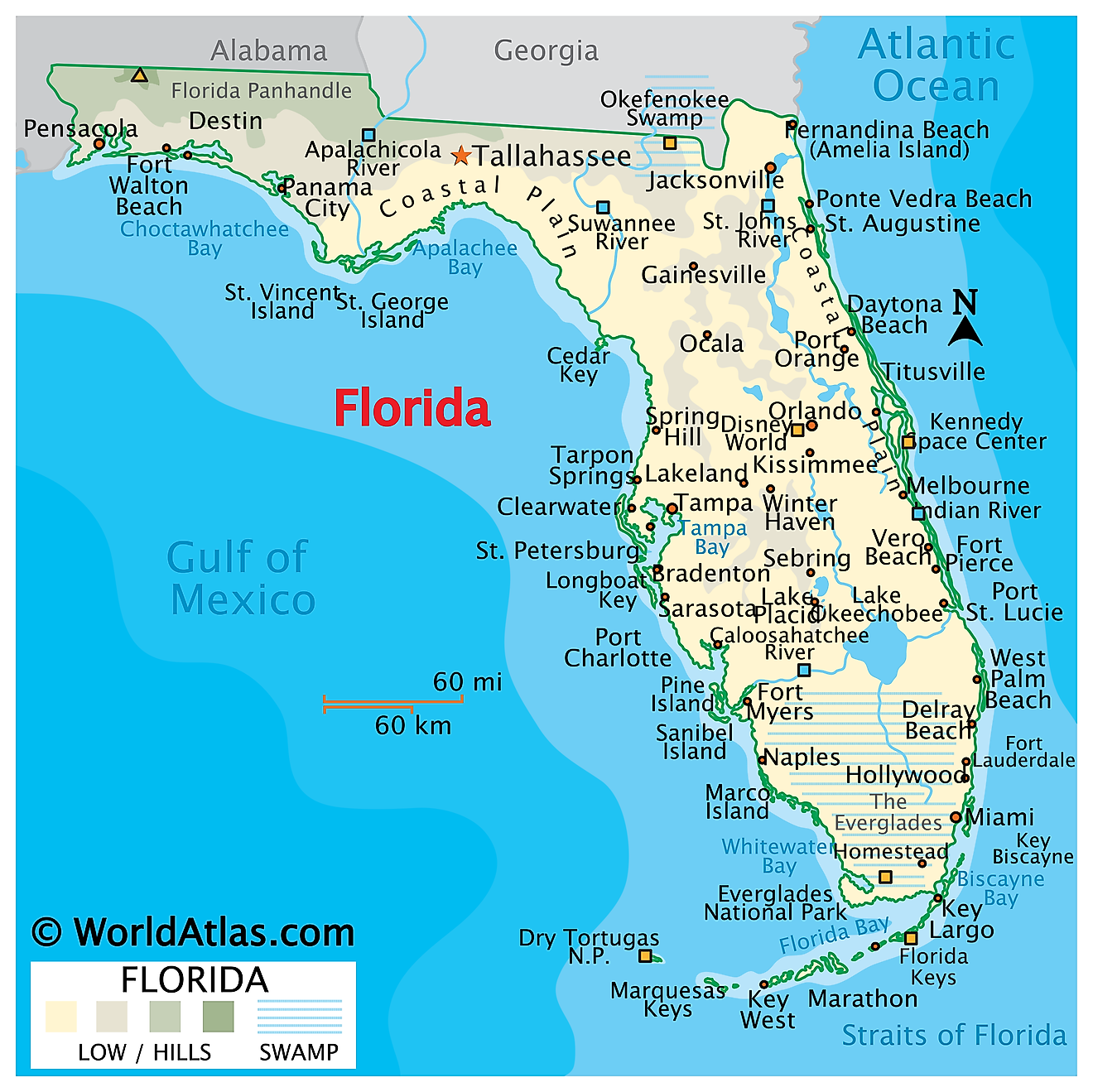
The transition towards technology has also prompted greater contestation among directories, which contributes to better customer experiences. Organizations are now putting resources in accessible interfaces and sophisticated search options, like the Florida business search SOS and associated resources. This emphasis on user experience not only draws more customers but also aids businesses in efficiently advertising their products, thus fostering expansion in the local economy.
Future Trends in Business Directories
The landscape of business directories remains evolving quickly with advancements in technology and the increasing demand for accessible information. One major trend is the incorporation of AI and machine learning to enhance search capabilities. Business entities can expect more personalized experiences as these technologies analyze user behavior and preferences, providing tailored results that are more relevant. This will improve the effectiveness of tools like the Florida Secretary of State business entity search, providing faster access to critical data.
Moreover, the ongoing shift towards mobile-friendly solutions is becoming. As more business owners and entrepreneurs rely on mobile devices for their routine tasks, business directories are adapting by enhancing their platforms for mobile use. This is particularly crucial for services like Florida’s business lookup tools, as users may need to retrieve business details on-the-go. Ensuring that these platforms are mobile-friendly will make it easier for users to navigate and find important information quickly, such as Florida business registration or licensing details.
Finally, the focus on data accuracy and openness is becoming more prominent. With the increasing importance of credibility in online transactions, business directories will likely implement more rigorous verification processes to ensure the authenticity of the business listings. This trend will also feature enhanced educational resources on understanding the nuances of business registrations, like those managed by the Florida SOS’s corporations division. As these directories progress, they will play a crucial role in fostering confidence among users searching for authentic business information.